



What Is High Blood Pressure, Anyway? Understanding and Managing Hypertension
February 20, 2026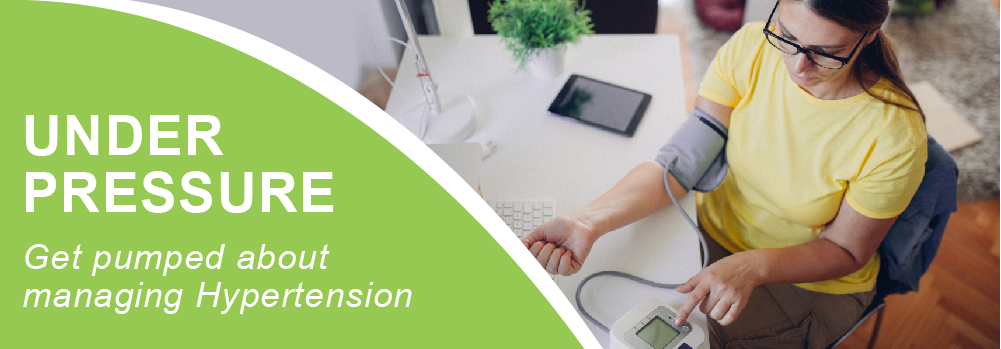
Categories: Cardiovascular Health, Men's Health, Women's Health
Considering nearly half of adults in the United States have high blood pressure, it’s a term we hear frequently—but what is it exactly? High blood pressure, or hypertension, occurs when the force of blood pushing against the walls of your arteries is consistently too high. When left untreated, it can increase your risk for heart disease and stroke. Our Trinity Health Michigan Medical Group is committed to changing that: our hypertension improvement work, focuses on helping more patients reach safe blood pressure targets (below 140/90) to improve outcomes. The good news? There are several steps you can take to manage hypertension and live a healthy life.
“We can keep your blood pressure under control and lower your long-term risks when we work together on small, healthy habits such as staying active, eating mindfully, taking medications as prescribed, and checking your blood pressure regularly. Even small steps, done consistently, make a meaningful difference. Our team is here to support you, guide you, and provide evidence-based care as you set achievable goals.”
— Dr. Tendai Thomas, MD, FACP, Internal Medicine, Trinity Health IHA Medical Group Primary Care - Domino's Farms
As much as numbers help us to set and monitor goals and progress, ultimately, every day, we must keep in mind why we do what we do. The person on the exam table in front of us is someone's mom or dad, or brother or sister, and we must take care of them as if they were our own family, trying to prevent things like heart attacks and strokes and kidney failure. They say "It takes a village..." and this is so true. We're lucky at IHA Medical Group that we have that village - lots of team members with different backgrounds and experience - to help us take care of our patients.
— Dr. Jenny Shih, DO, FAAFP, Family Medicine, Trinity Health IHA Medical Group Primary Care - Schoolcraft Campus
Steps to Manage High Blood Pressure
Stop Smoking
You should do this today. Smoking is harmful for many reasons, and we encourage all patients who smoke to quit as soon as possible. It’s often easier said than done, so check with your provider for helpful strategies to quit for good.
Exercise
Physical activity strengthens your heart—and a stronger heart can pump more blood with less effort. This reduces stress on your arteries and can help lower your blood pressure. For some patients, regular exercise lowers BP enough to reduce or even discontinue medication. Aim for at least 150 minutes per week of moderate‑intensity aerobic activity—such as brisk walking—or 75 minutes per week of vigorous activity. Daily movement also helps prevent hypertension as you age. If you’re starting a new routine, talk with your doctor first.
Eat a Heart-Healthy Diet
In other words: put down the salt shaker! The DASH Diet (Dietary Approaches to Stop Hypertension) can significantly improve blood pressure and overall health.
DASH Diet Basics
- Eat more vegetables and fruit
- Eat fewer foods high in saturated fat, cholesterol and trans fats
- Eat more whole grains, fish, poultry and nuts
- Eat less sodium, sugar and red meats
The diet itself is simple, but change takes time. Start by making small adjustments—add a serving of vegetables at meals, choose fruit or low-fat yogurt for snacks, switch to low-fat dairy, use less butter and dressing, and learn to read nutrition labels to spot high-sodium items.
Take Your Medications
Some people can’t manage hypertension with lifestyle changes alone. There are effective medications available, and your doctor will help determine the right approach for you. Once prescribed, it’s essential to take your medication exactly as directed. If you’re having trouble following your plan, talk to your physician before making any changes.
Monitor Your Blood Pressure at Home
As you adopt new lifestyle habits, monitoring your blood pressure regularly will help you understand what’s working. If you’ve been diagnosed with hypertension, check it daily to ensure your numbers remain stable and safe. Your provider can show you the best way to check your BP and help you choose a reliable home cuff.
Once you’re ready to begin tracking, use a monthly log to keep record of your readings.
Originally posted February 2020